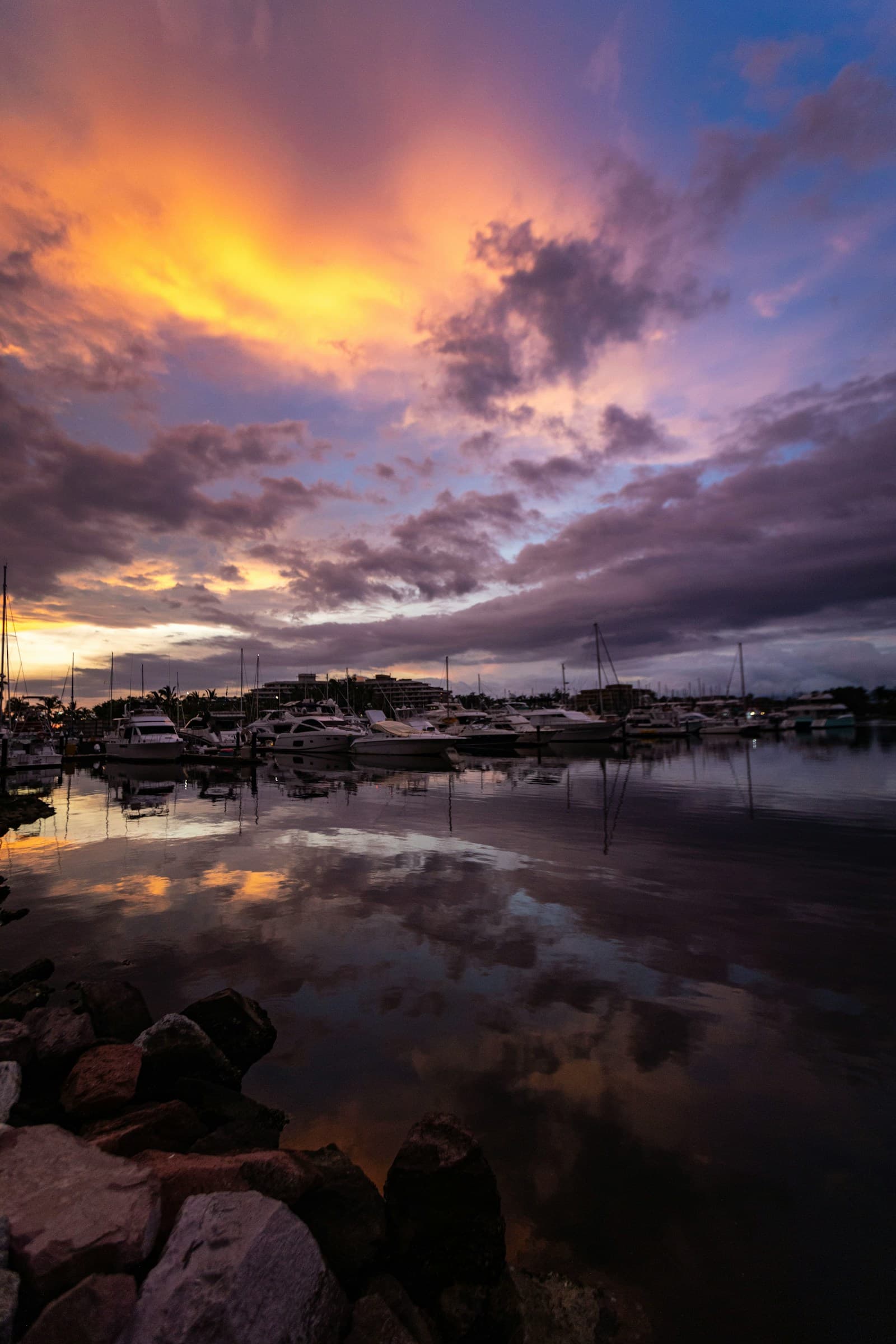
Memorial Day Weekend on the Water: Marine Insurance Every Florida Boat Owner Should Review Now
Memorial Day weekend is the unofficial start of summer — and the single busiest stretch of boating activity in Florida all year. From Biscayne Bay to the Florida Keys, the Intracoastal will fill with first-time renters, raft-ups, and weekend operators who have not touched a throttle since Labor Day. If your hull, liability, and uninsured boater coverage are not current, you are about to spend the riskiest three days of the boating year exposed.
Florida averages more reportable boating incidents on Memorial Day weekend than any other holiday on the calendar. Most are preventable. Almost all are avoidable with the right insurance program. This guide walks Florida boat and yacht owners through the marine coverage to confirm before you leave the dock — and the gaps that quietly cost vessel owners six figures every May.
Why Memorial Day Weekend Is the Highest-Risk Stretch of the Boating Year
Crowded waterways, inexperienced operators, alcohol, and unpredictable South Florida thunderstorms create a perfect storm of risk over Memorial Day weekend. The Florida Fish and Wildlife Conservation Commission consistently logs holiday weekend incident rates two to three times higher than non-holiday weekends in May, June, and July.
Florida has the largest registered recreational fleet in the United States — over one million vessels. South Florida alone accounts for hundreds of thousands of those. On Memorial Day weekend, you are sharing the water with operators of every experience level, in vessels of every size, many of whom have not refreshed their boating safety knowledge in years.
What Coverage Should Every Florida Boat Owner Confirm Before Memorial Day Weekend?
Marine insurance is not a single policy. It is a layered program of coverages — each addressing a specific category of loss. Before you launch this weekend, verify every layer is active, current, and adequate for your actual exposure.
Hull Coverage
Hull insurance covers physical damage to your vessel — collision, grounding, sinking, fire, theft, and vandalism. Two key valuation methods exist, and the difference is material:
- Agreed value — You and the carrier agree at policy inception on what the vessel is worth. If totaled, you receive that amount with no depreciation deduction.
- Actual cash value (ACV) — The carrier pays replacement cost minus depreciation. On a 10-year-old boat, that can be 40 to 60 percent below replacement.
For any vessel worth $100,000 or more, an agreed value policy is almost always the right choice.
Protection & Indemnity (P&I) Liability
P&I is your liability coverage on the water. It pays for bodily injury and property damage you cause to others — collisions, dock damage, injuries to passengers, and damage to other vessels. Standard limits start at $300,000, but South Florida marinas often require $500,000 to $1 million. For yachts and charter operations, $5 million or higher is common.
Uninsured & Underinsured Boater Coverage
This is the most overlooked coverage in Florida marine insurance — and the most important one for Memorial Day weekend. Florida does not require boat insurance by law. A significant percentage of operators on the water this weekend carry no liability coverage at all. If one of them hits you, uninsured boater coverage is the only protection between you and a hospital bill, a totaled vessel, and a lawsuit you have to fund yourself.
Medical Payments
Med pay covers medical costs for you, your passengers, and water sports participants regardless of fault. Limits typically range from $5,000 to $25,000 per person. On a busy weekend with multiple passengers aboard, this coverage absorbs minor injury claims before they escalate into liability disputes.
| Coverage | What It Covers | Typical Memorial Day Weekend Gap |
|---|---|---|
| Hull (Agreed Value) | Collision, grounding, sinking, fire, theft | Policy still on ACV — pays depreciated value, not replacement |
| P&I Liability | Injuries and property damage you cause to others | Limits well below marina or charter requirements |
| Uninsured Boater | Injuries caused by uninsured operators | Most common gap — often excluded entirely |
| Medical Payments | Passenger injuries regardless of fault | Sub-limits cap coverage at $1,000-$5,000 |
| Fuel Spill Liability | Federal fines and cleanup costs for fuel discharge | Often excluded — federal exposure unfunded |
How Florida's Boating Laws Affect Your Liability This Weekend
Florida boating law has specific provisions that shape insurance claims when something goes wrong over Memorial Day weekend. Understanding these rules helps you avoid exposures most owners do not realize they carry.
No Mandatory Insurance — But Marinas and Lenders Require It
Florida does not require boat insurance by statute. However, your marina lease, yacht club membership, charter agreement, or boat loan almost certainly does. Coverage lapses can trigger eviction from your slip, loan default, or loss of charter privileges. Verify your policy is current before you launch.
Boating Safety Education Requirements
Anyone born on or after January 1, 1988 operating a vessel of 10 horsepower or more in Florida must carry a Boating Safety Education ID Card. If an operator on your vessel is not properly licensed and an incident occurs, your liability coverage may dispute the claim.
Boating Under the Influence
Florida's BUI threshold is the same as DUI — 0.08 percent blood alcohol concentration. A BUI conviction not only carries criminal penalties; it typically voids your marine insurance coverage for any incident in which the operator was impaired. Designate a sober operator before you leave the dock.
Right-of-Way and Wake Liability
You are liable for damage your wake causes — even if you were operating legally. Crowded Memorial Day weekend waterways magnify wake exposure dramatically. A single wake-caused injury to another vessel's passenger can trigger a six-figure liability claim.
What Does Marine Insurance Cost for Florida Boat Owners in 2026?
Marine insurance pricing in South Florida reflects vessel value, age, hull type, operator experience, and storage location. Here is what owners can expect to pay in 2026.
| Vessel Type | Typical Annual Premium | Liability Limit | Key Cost Drivers |
|---|---|---|---|
| Bay Boat / Center Console (under $100K) | $800 – $2,500 | $300K – $500K | Hurricane zone, operator age, claims history |
| Cruiser / Sportfish ($100K – $500K) | $2,000 – $7,500 | $500K – $1M | Hull value, agreed value rider, navigation limits |
| Yacht ($500K – $2M) | $7,500 – $25,000 | $1M – $5M | Crew, captain experience, hurricane plan |
| Superyacht ($2M+) | $25,000 – $150,000+ | $5M – $25M | P&I limits, hurricane storage, charter use |
| Charter / Commercial | +30 to 60% above private rates | $1M – $10M | Passenger limits, USCG license, commercial endorsement |
Coastal storage in South Florida carries the highest premiums — Miami, Fort Lauderdale, and West Palm Beach marinas are in the hurricane bullseye. Vessels stored inland, on lifts, or in protected dry storage facilities can save 15 to 30 percent on premiums.
What Should You Do Before You Leave the Dock This Weekend?
Use this checklist to confirm your insurance program and your operational readiness before Memorial Day weekend.
How Should You Handle a Boating Incident on the Water?
Even with the right coverage, how you respond to an incident affects what you recover and how quickly. Follow these steps if something happens this weekend.
Render Aid Immediately
Florida law requires you to stop and provide reasonable assistance to anyone injured. Failing to do so is a criminal offense and can void your insurance coverage.
Notify the Coast Guard or FWC
Report any incident involving injury, death, disappearance, or property damage of $2,000 or more. Florida requires a written accident report filed within 10 days for any reportable incident.
Document Everything Before You Leave the Scene
Photograph all damage, the position of vessels, visible safety equipment, and the surrounding conditions. Capture identification of every involved party and any witnesses.
Notify Your Marine Broker Within 24 Hours
Early notification puts you at the front of the claims queue and protects your coverage. Delayed reporting can result in reduced payments or denial.
Do Not Discuss Fault on the Water
Exchange information and document the scene, but do not admit liability or speculate about cause. Florida boating accidents involve nuanced right-of-way rules best evaluated by your carrier and broker.
Preserve the Vessel Until Inspected
Do not repair damage or dispose of debris until your carrier has inspected the vessel. Premature repairs can create disputes over the scope and cost of the claim.
Frequently Asked Questions
Is boat insurance required in Florida?
Florida does not require boat insurance by statute. However, marinas, yacht clubs, lenders, and charter agreements typically require proof of coverage. If your vessel is financed or docked at a marina, you almost certainly have a contractual insurance requirement even if you do not have a legal one.
What is the difference between agreed value and actual cash value on a boat policy?
Agreed value means you and the carrier agree at policy inception on what the vessel is worth. If totaled, you receive that amount. Actual cash value applies depreciation, so on a 10-year-old boat you may receive 40 to 60 percent below replacement cost. For any vessel worth $100,000 or more, agreed value is almost always the right structure.
What is uninsured boater coverage and do I need it?
Uninsured boater coverage protects you and your passengers when another operator without insurance causes an accident that injures you or damages your vessel. Because Florida does not require boat insurance, a significant percentage of vessels on the water are uninsured. This coverage is essential.
Does my homeowners policy cover my boat?
Homeowners policies typically cover small boats — usually under 25 feet and 25 horsepower — with very limited coverage and low liability limits. For any meaningful vessel, you need a dedicated marine policy. Do not assume your homeowners coverage is adequate.
Will my marine policy cover me in the Bahamas?
Only if you have navigation limits that include the Bahamas. Many South Florida boat owners run to Bimini, the Berry Islands, or the Abacos without confirming their navigation endorsement. If your policy is limited to U.S. coastal waters, you have zero coverage offshore. Confirm and extend before you cross.
Launch With Confidence This Memorial Day
The right marine insurance does not prevent incidents — it determines what they cost you. A vessel owner with strong agreed value hull coverage, robust P&I limits, uninsured boater protection, and pollution liability can absorb a serious incident and still own the boat. An owner with gaps spends Memorial Day weekend in a lawsuit, a claim dispute, or out-of-pocket repairs.
Start with a full review of your current marine program. Confirm every coverage layer is active, current, and adequate for the way you actually use the vessel. Address any gaps before you launch — once you are on the water, your options are limited.
At SMAART Insurance, we help boat, yacht, and charter owners across Miami, Fort Lauderdale, West Palm Beach, and the Florida Keys build marine insurance programs that hold up under real-world conditions. Whether you own a center console or a superyacht, we shop specialty marine carriers to structure coverage that fits your vessel, your usage, and your exposure. Get your free marine coverage review today or learn more about our marine insurance services.
For broader context on Florida marine coverage, see our complete Marine & Yacht Insurance Guide. For boat owners who also operate fleets or commercial vessels, review our fleet insurance and telematics guide.
Sources & References
- [1]Florida Fish and Wildlife Conservation Commission — 2024 Boating Accident Statistical Report, 2025
- [2]National Marine Manufacturers Association — Recreational Boating Statistical Abstract, 2025
- [3]U.S. Coast Guard — Recreational Boating Statistics Annual Report, 2024
- [4]Florida Legislature — Chapter 327, Florida Statutes (Vessel Safety), 2025
- [5]Marine Industries Association of South Florida — Economic Impact Study, 2025
- [6]United States Code — Oil Pollution Act of 1990, 33 U.S.C. § 2701 et seq.
- [7]BoatUS Foundation — Boating Safety and Insurance Survey, 2025
SMAART Insurance Team
Reviewed and published by SMAART Insurance — a licensed Florida insurance agency since 2018, headquartered in Fort Lauderdale. Our editorial team includes licensed insurance agents, certified risk managers, and financial professionals. 4.9★ on Google with 651 reviews.