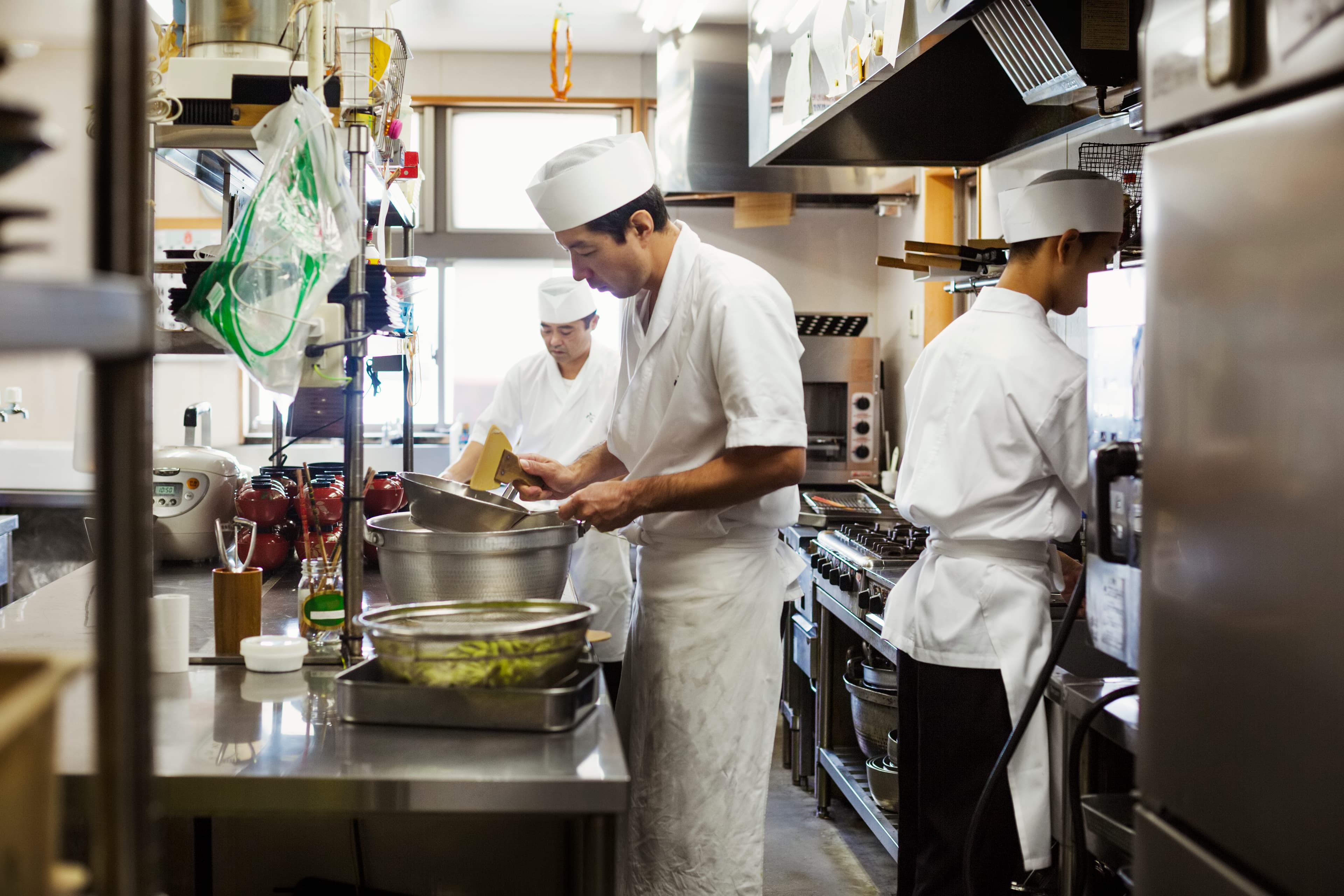
Restaurant Insurance Florida: The Complete Coverage Guide for Food Service Operators
Running a restaurant in Florida means managing a unique mix of risks that most standard business policies simply don't cover. Restaurant insurance Florida operators need goes well beyond a basic business owner's policy — from liquor liability to food contamination, kitchen injuries to hurricane-related business interruption. Understanding these coverages can mean the difference between surviving a crisis and closing your doors permanently.
At SMAART Insurance, we've helped hundreds of Florida restaurant owners build insurance programs that protect every aspect of their operations. This guide walks you through the essential coverages, costs, and steps to get properly insured.
Why Do Florida Restaurants Face Higher Insurance Risks Than Other Businesses?
Florida restaurants face elevated insurance risks because they combine food safety hazards, alcohol service liability, high employee injury rates, expensive kitchen equipment, and hurricane exposure in a single operation. This concentration of risk makes restaurant insurance significantly more complex and costly than coverage for typical retail businesses.
The Sunshine State adds unique layers of exposure. Florida's year-round tourism drives higher customer volumes, increasing your general liability exposure. Hurricane season threatens costly shutdowns and property damage. And Florida's Dram Shop laws create serious liability for any establishment serving alcohol.
Your standard BOP may cover basic property and liability, but it likely leaves dangerous gaps in areas like liquor liability, food spoilage, and equipment breakdown. Let's explore exactly what coverages you need.
What Coverages Does Every Florida Restaurant Need?
Every Florida restaurant needs a layered insurance program that includes general liability, commercial property, liquor liability, food contamination, workers' compensation, equipment breakdown, and business interruption coverage. The specific limits and endorsements depend on your restaurant's size, revenue, and operations.
| Coverage Type | What It Protects | Typical Annual Cost |
|---|---|---|
| General Liability | Customer injuries, property damage, advertising claims | $2,500–$5,000 |
| Commercial Property | Building, contents, kitchen equipment | $3,000–$8,000 |
| Liquor Liability | Claims from alcohol-related incidents | $2,000–$7,500 |
| Food Contamination | Spoiled inventory, business interruption from contamination events | $500–$2,000 |
| Workers' Compensation | Employee injuries, medical costs, lost wages | $3,000–$15,000 |
| Equipment Breakdown | Mechanical/electrical failure of ovens, coolers, HVAC | $500–$1,500 |
| Business Interruption | Lost income during covered shutdowns | $1,000–$4,000 |
| Commercial Umbrella | Excess liability above underlying policy limits | $1,500–$5,000 |
These ranges reflect typical Florida restaurant operations. Your actual premiums depend on factors like revenue, location, claims history, and number of employees. A full-service restaurant with a bar will pay significantly more than a quick-service operation.
How Does Liquor Liability Insurance Protect Florida Restaurants?
Liquor liability insurance protects Florida restaurants from lawsuits arising when a patron you served alcohol to causes injury or property damage to others. Under Florida's Dram Shop statute, your establishment can be held financially responsible if you serve alcohol to a person who is habitually addicted to alcohol or to someone under 21.
Florida law holds restaurants and bars liable for damages caused by intoxicated patrons in two specific situations: when you serve alcohol to a person you know is habitually addicted to alcohol, or when you serve someone under the legal drinking age. A single incident can result in claims exceeding $1 million, making liquor liability coverage essential for any establishment with alcohol sales.
Even if you follow every responsible-service protocol, a lawsuit can still be filed against your restaurant. Liquor liability insurance covers your legal defense costs and any resulting settlements or judgments. Most general liability policies specifically exclude alcohol-related claims, so this coverage must be purchased separately or added by endorsement.
If alcohol sales represent more than 30% of your revenue, expect higher premiums. Carriers reward restaurants that implement responsible beverage service (RBS) training programs for all staff, maintain incident documentation procedures, and enforce strict ID-checking policies.
What Happens If a Food Contamination Event Hits Your Restaurant?
A food contamination event can trigger massive financial losses including inventory replacement, forced closure, health department investigations, lawsuits from affected customers, and lasting reputational damage. Food contamination coverage pays for spoiled inventory, lost income during shutdowns, and even public relations costs to rebuild customer trust.
According to the CDC, foodborne illness outbreaks linked to restaurants cause an average of $75,000 in direct costs per incident — and that figure doesn't include the revenue lost from weeks or months of reduced customer traffic afterward.
Your food contamination coverage should include:
- Spoilage coverage for inventory lost due to equipment failure, power outages, or contamination
- Business interruption during health department-mandated closures
- Third-party liability for customer illness claims
- Crisis management expenses for public relations and communication
Florida's heat and humidity create additional spoilage risks, especially during hurricane-related power outages. Make sure your policy covers losses from utility service interruption, not just on-premises equipment failures.
Why Is Workers' Compensation So Critical for Restaurant Kitchens?
Workers' compensation is critical for restaurant kitchens because they have one of the highest injury rates of any workplace — the Bureau of Labor Statistics reports that food service workers suffer injuries at nearly twice the rate of the average private-sector employee. Florida law requires workers' comp for any restaurant with four or more employees, including part-time staff.
Common kitchen injuries include cuts from knives and slicers, burns from fryers and ovens, slip-and-fall incidents on wet floors, and repetitive strain injuries. Without workers' comp, your restaurant is personally liable for all medical costs and lost wages — and you face potential lawsuits from injured employees.
Workers' comp premiums for restaurants are based on your payroll and job classifications. Kitchen staff carry higher rates than front-of-house employees. You can reduce premiums by implementing a formal safety program, maintaining detailed risk management procedures, and establishing a return-to-work program for injured employees.
How Does Equipment Breakdown Coverage Protect Your Kitchen?
Equipment breakdown coverage pays to repair or replace commercial kitchen equipment that fails due to mechanical or electrical malfunction — events that standard property insurance typically excludes. A single commercial oven, walk-in cooler, or HVAC system failure can cost $10,000 to $50,000 to repair or replace, plus the revenue lost while you're unable to operate.
This coverage goes beyond standard property insurance in important ways. Property insurance covers damage from external causes like fire, storms, or theft. Equipment breakdown covers internal mechanical and electrical failures — the compressor that burns out in your walk-in cooler, the control board that fails in your convection oven, or the electrical surge that damages multiple systems simultaneously.
For Florida restaurants, equipment breakdown coverage should include:
- Mechanical and electrical failure of all commercial kitchen equipment
- Spoilage losses when refrigeration equipment fails
- Extra expense to rent temporary equipment during repairs
- Business income lost during equipment-related shutdowns
What Should You Know About Business Interruption Insurance for Florida Restaurants?
Business interruption insurance replaces your restaurant's lost net income and covers continuing expenses like rent, loan payments, and payroll when a covered event forces you to close temporarily. For Florida restaurants, hurricane-related closures are the most common trigger, but fires, equipment failures, and water damage also cause significant shutdowns.
The key details that matter most in a restaurant BI policy include the waiting period (typically 48–72 hours before coverage begins), the period of restoration (how long coverage lasts), and whether civil authority coverage is included for mandatory evacuation orders.
Florida restaurant owners should pay special attention to these BI policy features:
- Extended period of indemnity — covers the revenue ramp-up period after you reopen, when customers haven't fully returned
- Civil authority coverage — pays when government orders force you to close, even if your property isn't damaged
- Utility service interruption — covers losses when power, water, or gas outages prevent operations
- Contingent business interruption — protects you when a key supplier can't deliver, disrupting your operations
Review your BI coverage against your actual monthly revenue and fixed expenses. Many restaurant owners carry limits that fall far short of their real exposure, especially after a period of revenue growth.
How Do You Build a Complete Restaurant Insurance Program in Florida?
Building a complete restaurant insurance program requires evaluating your specific operations, identifying all exposures, and working with a broker who specializes in food service businesses. The process typically takes two to four weeks and involves gathering detailed information about your restaurant's operations, revenue, payroll, and claims history.
Assess Your Operations and Exposures
Document your restaurant type (full-service, quick-service, bar/grill), annual revenue, alcohol sales percentage, number of employees, kitchen equipment value, and any catering or food truck operations.
Gather Required Documents
Prepare your most recent tax return, current lease agreement, employee headcount and payroll records, equipment list with values, and any existing insurance policies.
Work With a Specialized Broker
Partner with an insurance broker experienced in restaurant coverage who can access multiple carriers and negotiate on your behalf. Generic business insurance agents often miss critical food-service-specific coverages.
Review Quotes and Coverage Details
Compare not just premiums but deductibles, coverage limits, exclusions, and endorsements. The cheapest policy often has the most dangerous gaps.
Implement Risk Management Practices
Establish food safety protocols, responsible beverage service training, employee safety programs, and equipment maintenance schedules. These reduce claims and lower premiums over time.
Review Coverage Annually
Update your program every year — or whenever you make significant changes like adding a bar, starting catering operations, expanding to a second location, or purchasing major equipment.
What's the Complete Coverage Checklist for Florida Restaurant Owners?
Don't try to assemble this coverage piecemeal from different carriers. A comprehensive program from a single carrier or coordinated through an experienced broker ensures there are no gaps between policies and simplifies the claims process.
Protect Your Florida Restaurant With the Right Coverage
Your restaurant is more than a business — it's your livelihood, your passion, and your community gathering place. The right insurance program lets you focus on what you do best while knowing you're protected against the unique risks Florida food service operators face.
SMAART Insurance specializes in commercial insurance for Florida restaurants, from single-location independents to multi-unit operations. We understand the specific coverages you need and work with carriers who specialize in food service risks.
Sources & References
- [1]National Restaurant Association — 2025 Restaurant Industry Insurance Report
- [2]Florida Statutes §768.125 — Liability for Injury or Damage Resulting from Intoxication
- [3]Bureau of Labor Statistics — Occupational Injury Rates in Food Service, 2025
- [4]CDC — Foodborne Illness Outbreak Cost Estimates, 2024
- [5]Insurance Information Institute — Restaurant Insurance Market Overview, 2025
SMAART Insurance Editorial Team
Reviewed and published by SMAART Insurance — a licensed Florida insurance agency since 2018, headquartered in Fort Lauderdale. Our editorial team includes licensed insurance agents, certified risk managers, and financial professionals. 4.9★ on Google with 651 reviews.