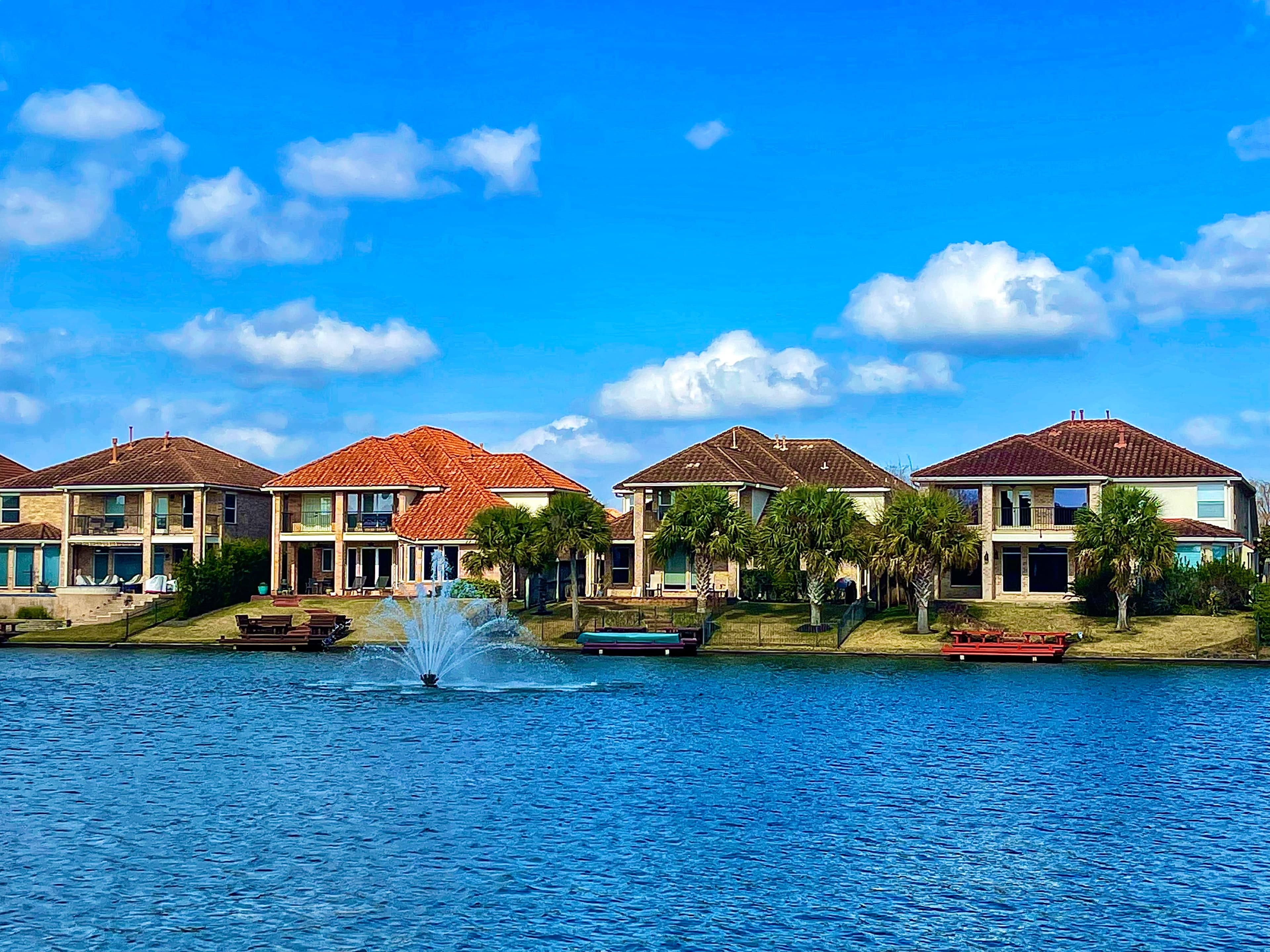
Your home is not just a house. It is a curated investment — custom architecture, imported materials, waterfront views, and finishes that cannot be replicated off a shelf.
Standard homeowners insurance was not built for properties like yours. It was built for average homes with average replacement costs. When a Category 4 hurricane makes landfall in South Florida, the gap between what a standard policy pays and what it actually costs to rebuild a luxury home can reach seven figures.
This guide explains what high-value home insurance covers, why waterfront estate owners in Florida face unique risks, and how to structure a policy that actually protects your investment.
Why Standard Homeowners Insurance Falls Short for Luxury Properties
Standard homeowners insurance falls short for luxury properties because it uses depreciated replacement cost calculations, imposes coverage caps that are too low, and does not account for the custom materials, architectural details, and specialized labor required to restore a high-end home.
A standard HO-3 policy from a mass-market carrier typically caps dwelling coverage based on a generic cost-per-square-foot formula. That formula does not reflect the cost of handcrafted Italian tile, impact-resistant floor-to-ceiling glass, custom millwork, or a chef's kitchen with commercial-grade appliances.
Here is where the gaps appear:
- Replacement cost calculations — Standard policies estimate rebuild costs using average construction data. A 6,000-square-foot waterfront estate in Coral Gables built with imported coral stone and a copper roof will cost far more per square foot than the regional average
- Coverage caps on contents — Most standard policies limit personal property to 50-75% of dwelling coverage, with sublimits on jewelry, art, and collectibles as low as $1,500-$2,500 per category
- Loss of use limits — If your $4 million home is destroyed and you need comparable temporary housing in South Florida, a standard $100,000 loss-of-use limit will not come close
- Liability exposure — High-net-worth homeowners face greater liability risk. A standard $300,000 liability limit is inadequate when your asset profile makes you a litigation target
- ✗ Replacement cost based on generic formulas
- ✗ Sublimits on valuables ($1,500-$2,500)
- ✗ Actual cash value on some components
- ✗ Limited loss-of-use coverage
- ✗ $300K-$500K liability limits
- ✗ Named peril coverage on contents
- Agreed value or guaranteed replacement cost
- Scheduled coverage for valuables at appraised value
- Full replacement with matching materials
- Generous loss-of-use (12-24 months, higher limits)
- $1M+ liability with umbrella coordination
- Open peril (all-risk) coverage on contents
If your home is valued at $1 million or more, or if it contains custom features, high-end finishes, or valuable collections, a standard homeowners policy will leave you significantly underinsured. High-value home insurance closes these gaps with broader coverage, higher limits, and fewer exclusions.
What Does High-Value Home Insurance Cover?
High-value home insurance covers the full cost to rebuild your luxury property to its original specifications, including custom materials, architectural details, building code upgrades, and extended replacement cost — even if that cost exceeds your policy limit.
The best high-net-worth home coverage policies from carriers like Chubb, PURE, AIG Private Client, and Cincinnati Insurance offer several coverage enhancements that standard policies do not.
Agreed Value Coverage
With agreed value coverage, you and the carrier agree on the home's replacement cost upfront. There is no depreciation, no coinsurance penalty, and no disputes at claim time. If your home is insured for $3.5 million, you receive $3.5 million — period.
Extended and Guaranteed Replacement Cost
Extended replacement cost pays 125-150% of your dwelling limit if rebuilding costs exceed your coverage due to post-disaster construction inflation. Guaranteed replacement cost goes even further — it pays whatever it costs to rebuild, with no cap.
After a major hurricane, construction costs in South Florida can spike 30-50% due to labor shortages and material demand. Extended replacement cost is not a luxury. It is a necessity.
Building Code Upgrade Coverage
Florida's building code has been updated significantly since many luxury homes were originally constructed. If your home is destroyed, you must rebuild to current code — which may require impact-rated windows, reinforced roof-to-wall connections, and upgraded electrical systems. Building code upgrade coverage pays the difference.
| Coverage Feature | What It Does | Why It Matters in Florida |
|---|---|---|
| Agreed Value | Guarantees payout at the pre-agreed amount | Eliminates disputes after hurricanes when rebuild costs spike |
| Extended Replacement Cost | Pays 125-150% of dwelling limit | Covers post-storm construction inflation in South Florida |
| Guaranteed Replacement Cost | Pays full rebuild cost with no cap | Critical for custom homes where costs are unpredictable |
| Building Code Upgrade | Covers cost to rebuild to current code | Florida Building Code has been significantly upgraded since 2002 |
| Matching Materials | Pays to match undamaged areas to repaired areas | Ensures your Italian marble floor is consistent, not patched |
| Cash Settlement Option | Allows you to take cash instead of rebuilding | Gives flexibility if you decide to relocate after a loss |
Waterfront & Coastal Property Risks in Florida
Waterfront estate insurance in Florida must account for storm surge, flood zone exposure, wind-driven rain, saltwater corrosion, and erosion — risks that standard policies either exclude or severely limit.
If your property sits on the Intracoastal, along the oceanfront in Palm Beach, or on a canal in Fort Lauderdale, your risk profile is fundamentally different from an inland home.
Storm Surge
Storm surge is the single greatest threat to waterfront properties during a hurricane. A Category 4 storm can push 10-15 feet of seawater inland across coastal South Florida. Standard homeowners insurance does not cover flood damage — including storm surge.
Flood Zone Classifications
Most waterfront properties in South Florida fall within FEMA flood zones AE or VE, which carry mandatory flood insurance requirements for federally backed mortgages. However, the National Flood Insurance Program (NFIP) caps coverage at $250,000 for the dwelling and $100,000 for contents — nowhere near enough for a luxury home.
You need a private excess flood policy to bridge the gap. Carriers like Chubb and Lloyd's syndicates offer excess flood coverage up to $10 million or more.
Wind-Driven Rain and Saltwater Intrusion
Even without storm surge, hurricane-force winds drive rain horizontally through the smallest openings. Saltwater carried by wind corrodes HVAC systems, metal fixtures, and electronics. Your policy must cover wind-driven rain damage and the resulting corrosion.
In Florida, wind and flood are covered by separate policies. A hurricane causes both wind and water damage simultaneously, which can create coverage disputes between your homeowners carrier and your flood carrier. Work with a broker who structures your policies to eliminate gaps between wind and water coverage.
Hurricane Coverage: What You Need to Know
Hurricane insurance in South Florida requires understanding named storm deductibles, wind mitigation credits, and how hurricane hardening can reduce both your premium and your risk.
Named Storm Deductibles
Florida law allows carriers to apply separate, higher deductibles for hurricane or named storm losses. These deductibles are typically 2-5% of the dwelling coverage amount, not a flat dollar amount.
On a $3 million home, a 2% hurricane deductible means you pay the first $60,000 out of pocket. At 5%, that jumps to $150,000.
| Home Value | 2% Deductible | 3% Deductible | 5% Deductible |
|---|---|---|---|
| $1,500,000 | $30,000 | $45,000 | $75,000 |
| $3,000,000 | $60,000 | $90,000 | $150,000 |
| $5,000,000 | $100,000 | $150,000 | $250,000 |
| $10,000,000 | $200,000 | $300,000 | $500,000 |
Wind Mitigation Credits
Florida law requires insurance carriers to offer premium discounts for wind-resistant building features. A professional wind mitigation inspection documents these features and can reduce your premium by 20-45%.
Features that qualify for credits include:
- Roof shape — Hip roofs resist wind better than gable roofs
- Roof deck attachment — Plywood secured with ring-shank nails or screws
- Roof-to-wall connections — Hurricane clips, straps, or structural concrete ties
- Opening protection — Impact-rated windows and doors or approved hurricane shutters
- Secondary water resistance (SWR) — A sealed roof deck that prevents water intrusion if shingles are lost
Hurricane Hardening Credits
Beyond the standard wind mitigation inspection, many high-value carriers offer additional credits for homes built or retrofitted to exceed Florida Building Code requirements. These include:
- Whole-home impact glazing (not just shutters)
- Reinforced concrete block construction with continuous tie-beam systems
- Backup generator with automatic transfer switch
- Fortified Roof designation from IBHS (Institute for Business & Home Safety)
A wind mitigation inspection costs $75-$150 and can save you thousands annually. If your home was built after 2002 under the Florida Building Code, or if you have retrofitted with impact windows and a reinforced roof, you likely qualify for significant credits. Every luxury homeowner in Florida should have this inspection on file.
Valuable Articles & Collections Coverage
High-value home insurance includes valuable articles coverage — also called inland marine or scheduled personal property coverage — that protects fine art, jewelry, wine collections, antiques, and other high-value possessions at their full appraised value.
Standard homeowners policies impose strict sublimits on categories of valuables:
| Category | Standard Policy Sublimit | High-Value Policy Coverage |
|---|---|---|
| Jewelry & Watches | $1,500 - $2,500 | Appraised value, no sublimit |
| Fine Art | $2,500 - $5,000 | Appraised or agreed value, blanket or scheduled |
| Wine Collections | Not typically covered | Full cellar value with spoilage coverage |
| Antiques & Collectibles | Depreciated value only | Agreed value based on professional appraisal |
| Firearms | $2,500 | Scheduled at appraised value |
| Musical Instruments | $5,000 | Replacement cost or agreed value |
How Scheduling Works
To schedule an item, you provide a professional appraisal, and the carrier agrees to insure it for that specific value. Scheduled items receive broader coverage — including mysterious disappearance (items that go missing without explanation), breakage, and worldwide coverage. Standard policies typically exclude all three.
For collections valued at $50,000 or more, many high-value carriers offer blanket coverage with an overall limit rather than requiring individual scheduling of every piece. This is particularly useful for large art collections, wine cellars, or libraries.
If you own a significant collection of any kind, get professional appraisals updated every two to three years. The art and jewelry markets fluctuate, and an outdated appraisal can leave you underinsured. Your broker should review your scheduled items annually.
How Much Does High-Value Home Insurance Cost in Florida?
High-value home insurance in Florida typically costs between $15,000 and $60,000+ per year, depending on the home's value, location, construction type, hurricane features, and claims history. Waterfront properties and homes in high-risk flood zones pay significantly more.
Florida is the most expensive state in the nation for homeowners insurance, with average premiums three to four times the national average. For luxury properties, the premium gap is even wider.
Key Factors That Drive Your Premium
Location and flood zone
A home on the Intracoastal in Fort Lauderdale will cost significantly more to insure than a comparable home in Weston or Plantation. Proximity to the coast is the single largest factor.
Dwelling replacement value
The higher the agreed replacement cost, the higher the premium. Custom construction materials and finishes increase the cost-per-square-foot estimate.
Roof age and condition
Florida carriers scrutinize roofs closely. A roof older than 15 years may require replacement before a carrier will offer coverage. A new impact-rated roof can reduce premiums significantly.
Wind mitigation features
Impact windows, reinforced roof connections, and hip roof designs qualify for mandatory premium credits under Florida law.
Claims history
Prior hurricane or water damage claims within the past five years will increase your premium or limit carrier options.
Protective devices
Monitored security systems, water leak detection, automatic gas shutoffs, and backup generators can qualify for additional discounts.
Cost Ranges by Home Value
| Home Value | Estimated Annual Premium Range | Key Variables |
|---|---|---|
| $1M - $2M | $12,000 - $25,000 | Location, roof age, wind mitigation |
| $2M - $5M | $20,000 - $45,000 | Waterfront vs. inland, construction type |
| $5M - $10M | $35,000 - $75,000 | Flood zone, collections, liability limits |
| $10M+ | $60,000 - $150,000+ | Full custom underwriting required |
How to Lower Your Premium
- Complete a wind mitigation inspection and submit it to your carrier
- Install a monitored water leak detection system (carriers like Chubb offer premium credits)
- Upgrade to impact-rated windows and doors throughout the entire home
- Maintain a claims-free history — even small claims can affect your rate
- Bundle with auto, umbrella, and valuable articles through the same high-net-worth carrier
- Increase your hurricane deductible from 2% to 5% if you can absorb the higher out-of-pocket cost
Frequently Asked Questions About High-Value Home Insurance in Florida
What is the difference between agreed value and guaranteed replacement cost?
Agreed value means you and the carrier agree on the home's value upfront, and that is what you receive in a total loss — no more, no less. Guaranteed replacement cost goes further: it pays whatever it actually costs to rebuild your home, even if the final cost exceeds the policy limit. After a major hurricane, construction costs can spike 30-50%, making guaranteed replacement cost the strongest protection available for luxury homeowners in Florida.
Does high-value home insurance cover flood damage?
No. Flood damage requires a separate flood insurance policy, regardless of whether you have standard or high-value homeowners coverage. The NFIP caps coverage at $250,000, which is insufficient for luxury properties. High-net-worth carriers like Chubb and PURE offer private excess flood coverage up to $10 million or more. Your broker should structure your flood coverage to align with your dwelling value.
How are hurricane deductibles calculated on luxury homes?
Hurricane deductibles in Florida are percentage-based, typically 2%, 3%, or 5% of your dwelling coverage amount. On a $5 million home, a 2% deductible equals $100,000 out of pocket before insurance pays. You can often choose a higher deductible to lower your annual premium, but make sure you can absorb that cost in a loss event.
What carriers specialize in high-value home insurance in Florida?
The leading carriers for luxury homeowners insurance in Florida include Chubb, PURE (Privilege Underwriters Reciprocal Exchange), AIG Private Client Group, Cincinnati Insurance, and Vault (formerly known as Berkley One). Each carrier has different strengths — Chubb is known for its claims service and cash settlement options, PURE for its member-owned structure and risk management services, and AIG for its global reach and high-limit capabilities.
How often should I update my home's replacement cost valuation?
You should update your replacement cost valuation every two to three years, or whenever you complete a major renovation. Construction costs in South Florida have increased significantly since 2020, and a valuation that was accurate three years ago may be 20-30% below current rebuild costs. Your high-value carrier will typically conduct a periodic valuation review, but you should proactively request an update after any renovation exceeding $100,000.
How SMAART Insurance Can Help
We specialize in personal insurance for high-net-worth individuals and families throughout Florida. Protecting a luxury property requires more than quoting the cheapest premium. It requires a broker who understands construction valuation, Florida's hurricane risk landscape, and the specialized carriers that serve this market.
We evaluate your property and risk profile
We conduct a thorough review of your home's construction, location, flood zone, and replacement cost — not a generic online estimate.
We access high-value carriers
We work with Chubb, PURE, AIG Private Client, Cincinnati, and other specialized markets to find the coverage and pricing that fits your property.
We structure complete protection
We coordinate your homeowners, flood, wind, umbrella, and valuable articles coverage to eliminate gaps between policies.
We advocate at claims time
When a hurricane hits, we manage the claims process, push for fair valuations, and fight for the payout you are entitled to receive.
Whether you own a waterfront estate in Miami Beach, a golf course home in Boca Raton, or a historic property in Coral Gables, we build insurance programs that match the true value of your home and your lifestyle.
Conclusion: Do Not Leave Your Luxury Home Underinsured
High-value home insurance in Florida is not a premium version of standard coverage. It is a fundamentally different product designed for properties that standard carriers cannot adequately protect.
Here is what to remember:
- Standard policies leave luxury homes underinsured — Generic replacement cost formulas, low sublimits on valuables, and inadequate loss-of-use coverage create dangerous gaps
- Agreed value and guaranteed replacement cost are essential — Post-hurricane construction inflation can increase rebuild costs by 30-50%, and you need a policy that keeps up
- Waterfront properties require layered coverage — Wind, flood, and storm surge are covered by separate policies that must be coordinated to avoid gaps
- Hurricane deductibles are significant — A 2-5% deductible on a multi-million dollar home means a six-figure out-of-pocket cost
- Wind mitigation saves real money — A $100 inspection can save you thousands annually in premium credits
- Your collections need separate scheduling — Fine art, jewelry, and wine collections are severely limited under standard policies
Do not wait for the next hurricane season to discover you are underinsured. Get a quote today or schedule a consultation with our team. We will review your current coverage, identify gaps, and build a program that truly protects your home and everything in it.
Sources & References
- [1]Insurance Information Institute. Facts + Statistics: Homeowners Insurance. III, 2025.
- [2]NOAA National Hurricane Center. Storm Surge Overview and Forecasting. NHC, 2025.
- [3]Federal Emergency Management Agency. Flood Zones and Flood Map Information. FEMA, 2025.
- [4]Florida Office of Insurance Regulation. Annual Report on Property Insurance. Florida OIR, 2025.
- [5]Institute for Business & Home Safety. Fortified Home Program Standards. IBHS, 2025.
- [6]Chubb Group. Masterpiece Homeowners Policy Overview. Chubb Ltd., 2025.
- [7]Florida Legislature. Section 627.0629: Residential Property Insurance; Rate Filings. Florida Statutes.
- [8]National Flood Insurance Program. Policy Coverage Details and Limits. FEMA NFIP, 2025.
SMAART Insurance Editorial Team
Reviewed and published by SMAART Insurance — a licensed Florida insurance agency since 2018, headquartered in Fort Lauderdale. Our editorial team includes licensed insurance agents, certified risk managers, and financial professionals. 4.9★ on Google with 651 reviews.
Related Articles
Hurricane Deductibles Explained: What Florida Homeowners Actually Pay After a Storm
Florida's hurricane deductible can mean $10,000+ out of pocket after a storm. Learn how percentage deductibles work and how to prepare before landfall.
Flood Insurance Florida: 2026 Costs, New Rules & Coverage
Flood insurance Florida costs, the new 2026 Citizens flood requirement, and NFIP vs. private options — what every Florida homeowner needs to know now.
Pool & Backyard Liability for Florida Homeowners: A National Water Safety Month Guide
May is National Water Safety Month. Florida leads the nation in residential pool drownings — and the liability exposure that follows. Here is how homeowners should structure coverage.