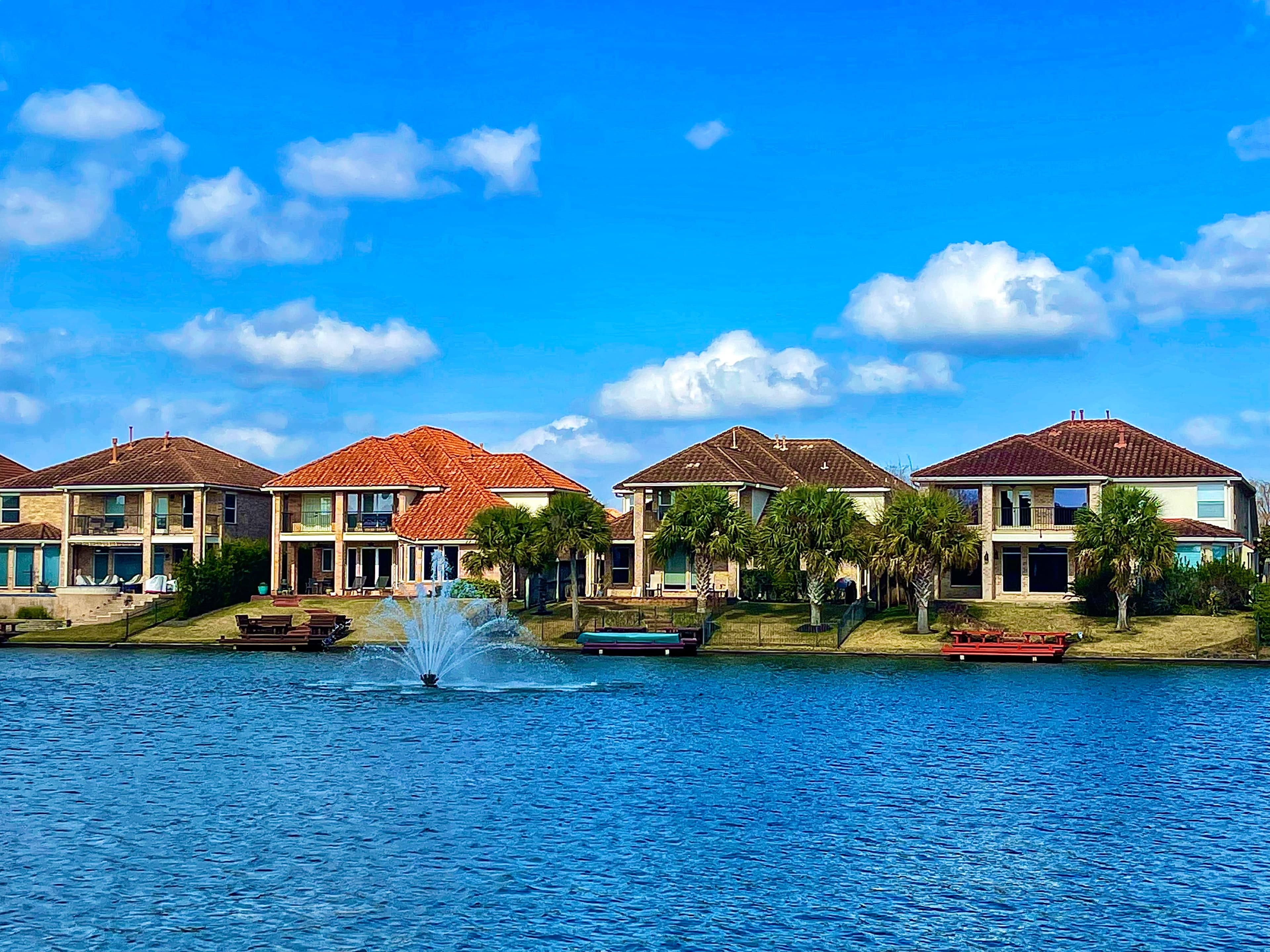
If you sit on a Florida condo board, 2026 is the year the rules stopped being suggestions. The Structural Integrity Reserve Study (SIRS) deadline has passed, reserve waivers for structural components are now illegal, and House Bill 913 has rewritten how associations must insure, inspect, and fund their buildings.
Condo association insurance Florida premiums were already among the highest in the nation. Now carriers are underwriting directly against your compliance record — boards that completed their milestone inspections and funded their reserves are getting offers, while non-compliant buildings are getting declined or surcharged.
This guide walks boards and property managers through what HB 913 changed, what the master policy must now cover, what compliance actually costs in 2026, and how to turn inspection and reserve documentation into insurance leverage rather than liability.
What Did HB 913 Change for Florida Condo Associations?
House Bill 913 took effect July 1, 2025, building on the post-Surfside safety reforms with sharper teeth and clearer definitions. For boards, four changes matter most.
First, reserve funding for structural components is now mandatory. As of 2026, boards can no longer vote to waive or underfund reserves for roofs, foundations, load-bearing walls, fireproofing, plumbing, and electrical systems identified in the SIRS. Those line items must appear — fully funded — in your 2026 operating and reserve budgets.
Second, the law clarified that "adequate" property insurance must be based on full replacement cost, overriding outdated declaration language that allowed lower coverage standards. Underinsured associations can no longer point to their documents as a defense.
Third, milestone inspections — the structural inspections required at 30 years of age (25 in some coastal counties) — continue rolling through 2026, with buildings allowed to coordinate their SIRS and milestone inspection on the same December 31, 2026 timeline where applicable.
Fourth, transparency requirements expanded: inspection reports, reserve studies, and insurance documents must be available to unit owners, and sellers must disclose them to buyers.
What Must a Florida Condo Master Policy Cover in 2026?
The association's master policy covers the building structure, common elements, and association liability. Florida law requires coverage for everything except items within the boundaries of individual units — and the line between the two is where most disputes happen.
| Coverage | Who Insures It | Notes |
|---|---|---|
| Building structure & roof | Association (master policy) | Full replacement cost now required |
| Common areas — lobby, pool, elevators | Association (master policy) | Includes equipment breakdown |
| Drywall, flooring, cabinets inside units | Unit owner (HO-6 policy) | Master policy stops at unfinished walls |
| Association liability | Association (GL + D&O) | Slip-and-fall, board decisions |
| Flood | Separate policy — both levels | Excluded from master and HO-6 alike |
| Wind / hurricane | Master policy with separate deductible | Typically 3 – 10% of building value |
The 2026 replacement cost clarification is forcing appraisal updates across the state. If your building was last appraised three years ago, construction cost inflation alone means your Coverage A is likely short — and a coinsurance penalty after a hurricane would compound the damage. Most carriers now require an appraisal no older than two or three years.
Boards also need to look hard at directors and officers coverage. Enforcement actions, owner lawsuits over special assessments, and disclosure disputes are all rising under the new law, and they land on board members personally when D&O limits are thin.
What Does Compliance Actually Cost in 2026?
Boards are absorbing three new cost layers at once: the studies themselves, the reserve contributions they mandate, and insurance premiums that respond to both. Here is what Florida associations are paying this year.
The bigger number is the reserve funding itself. Buildings that waived reserves for a decade are now amortizing roof replacements, concrete restoration, and waterproofing on compressed timelines — which is why special assessments and reserve-funding loans have become common across South Florida. Fannie Mae and Freddie Mac have tightened lending standards in parallel, declining mortgages in buildings with inadequate reserves or open structural issues, which directly pressures unit values.
There is an insurance upside for compliant buildings. Carriers that fled the Florida condo market are selectively returning, and they are competing for buildings with clean milestone inspections, funded reserves, and updated appraisals. Boards with complete documentation are seeing meaningfully better renewal terms than they did two years ago.
How Should Boards Handle Milestone Inspections and Repairs?
A milestone inspection is not just an engineering exercise — it is a document that follows your building through every insurance renewal, mortgage application, and unit sale for years. How you manage the process determines whether it becomes leverage or liability.
Calendar Your Deadlines
Confirm your building's milestone inspection due date based on age and county, and whether your SIRS can be coordinated on the same December 31, 2026 timeline.
Engage Licensed Professionals Early
Qualified engineers and architects are booked months out across South Florida. Late engagement means rushed reports and missed deadlines.
Budget Phase Two Before You Need It
If phase one finds substantial structural deterioration, a phase two inspection follows. Reserve funds for investigation and repair scoping in advance.
Sequence Repairs Strategically
Prioritize life-safety items immediately, then sequence remaining work to align with reserve funding and carrier requirements.
Document Everything for Underwriters
Completed repairs with engineer sign-off convert inspection findings from red flags into evidence of a well-managed building.
Boards that treat findings as a multi-year capital plan — rather than a crisis — consistently come out ahead. Carriers do not expect a 40-year-old building to be flawless. They expect a credible, funded plan, and they penalize its absence.
This is also the moment to revisit your association's broader risk program. A current risk assessment can align your property, liability, D&O, and umbrella layers with the building's actual condition, and our commercial property guide covers how Florida's property market is pricing structural risk this year.
Frequently Asked Questions About Florida Condo Association Insurance
What is loss assessment coverage and why do unit owners need it?
When the association suffers a loss that exceeds its insurance — or has to cover a large hurricane deductible — the shortfall is assessed against unit owners. Loss assessment coverage on an HO-6 policy reimburses the owner's share of that assessment, typically up to a selected limit. In a market where master policy hurricane deductibles run 3 to 10 percent of building value, a five-figure assessment after a major storm is a realistic scenario for South Florida unit owners, and loss assessment coverage is among the cheapest protection on the policy.
Who pays the master policy's hurricane deductible?
The association does — which in practice means the owners do, through reserves or a special assessment. A building insured for $30 million with a 5 percent hurricane deductible absorbs the first $1.5 million of storm damage before the carrier pays anything. Boards should know their deductible as a dollar figure, hold or finance a credible plan for funding it, and communicate that plan to owners before storm season rather than after a loss.
What happens if our association missed the SIRS deadline?
Non-compliance compounds quickly: statutory exposure for the board, leverage for plaintiff attorneys in any future claim, mortgage problems for sellers as lenders check compliance, and carriers that decline or surcharge the building at renewal. The right response is speed and documentation — commission the study immediately, record the board's corrective timeline in minutes, and disclose the plan proactively to your carrier rather than letting an underwriter discover the gap.
How is an HO-6 policy different from the master policy?
The master policy generally stops at the unfinished walls, floor, and ceiling of each unit. Everything inside — drywall finishes, flooring, cabinets, appliances, personal property — belongs to the unit owner's HO-6 policy, along with the owner's personal liability and loss assessment coverage. Florida's allocation rules are specific, and gaps between the two policies are common; our Florida homeowners guide explains how owners should set HO-6 limits.
What Should Your Board Do Before Its Next Renewal?
Condo association insurance Florida pricing now rewards preparation more than at any point since Surfside. The boards getting the best outcomes in 2026 share a pattern: compliance documents organized, valuations current, and renewals shopped early through brokers who know which carriers want condo business again.
Unit owners have homework too: an HO-6 policy with adequate dwelling and loss assessment coverage is the personal backstop when the association's deductibles and assessments flow downstream. Our Florida homeowners guide explains how the pieces fit together.
At SMAART Insurance, we help condo associations and unit owners across Miami, Fort Lauderdale, West Palm Beach, and all of South Florida navigate the post-HB 913 market — from master policy reviews to loss assessment coverage. Request your free association coverage review, or contact our team to get your renewal package started.
Sources & References
- [1]Florida Legislature — CS/CS/HB 913, Condominium and Cooperative Associations, 2025
- [2]Chapter 718, Florida Statutes — Structural Integrity Reserve Study and Milestone Inspection Requirements
- [3]Florida Property Appraisal & Reserve Study Market Data — 2026 Reserve Study Cost Ranges
- [4]Johnson Pope — Florida HB 913 Guide: 2026 Impacts for Condominium Associations
- [5]KSN Law — Florida House Bill 913: New Requirements for Condominium and Cooperative Associations, 2025
- [6]Fannie Mae — Condominium Project Eligibility Requirements, 2026 Updates
SMAART Insurance Team
Reviewed and published by SMAART Insurance — a licensed Florida insurance agency since 2018, headquartered in Fort Lauderdale. Our editorial team includes licensed insurance agents, certified risk managers, and financial professionals. 4.9★ on Google with 651 reviews.
Related Articles
Commercial Property Insurance Florida Guide
Commercial property insurance in Florida requires hurricane and flood expertise. Learn what's covered, what's excluded, and how to reduce your premiums.
Landlord Liability Insurance Florida Guide
Landlord liability insurance in Florida protects rental property owners from tenant injury claims, lawsuits, and legal defense costs. Learn what coverage you need.